Barnsley Gateway 36, Barnsley
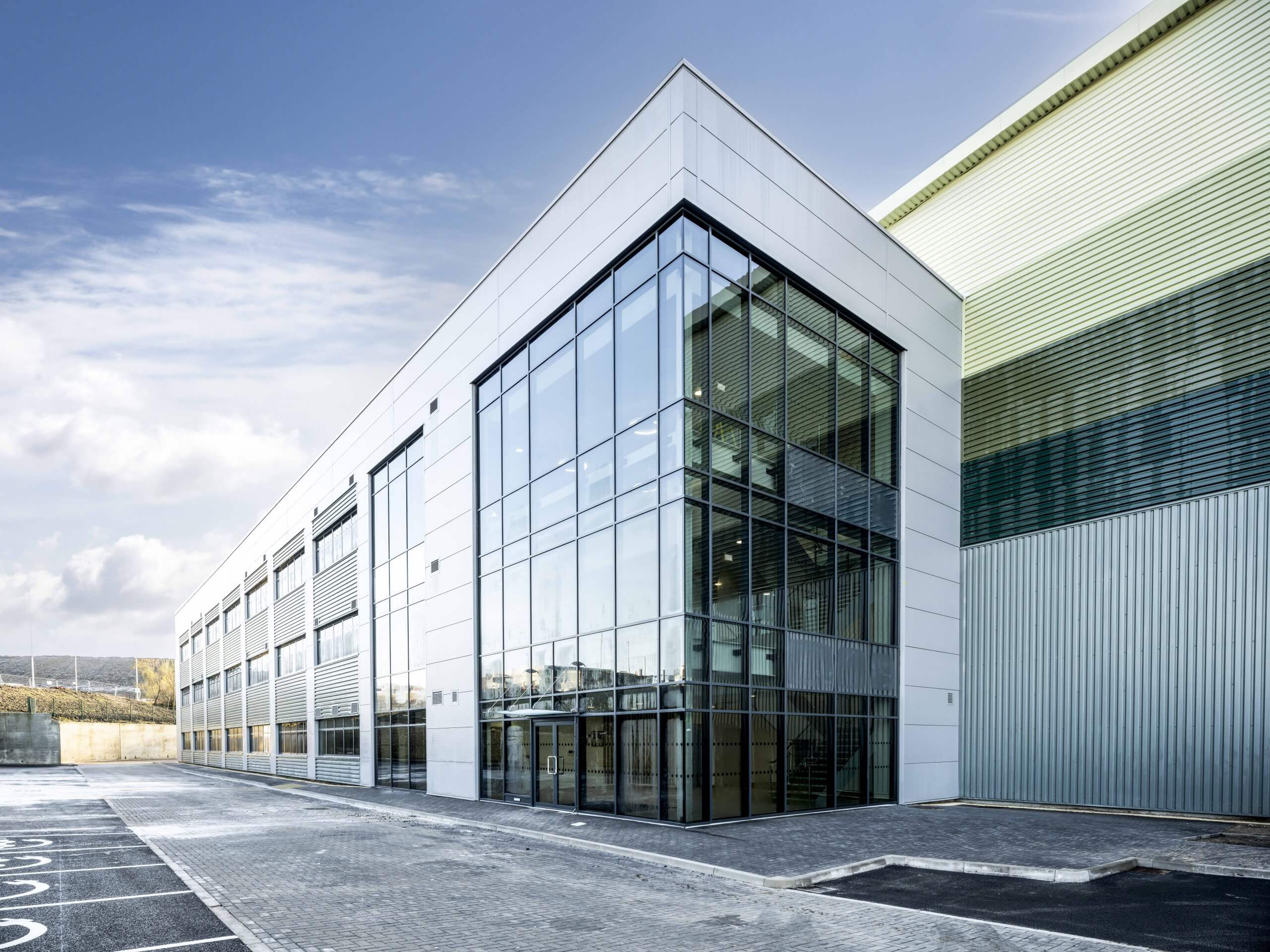
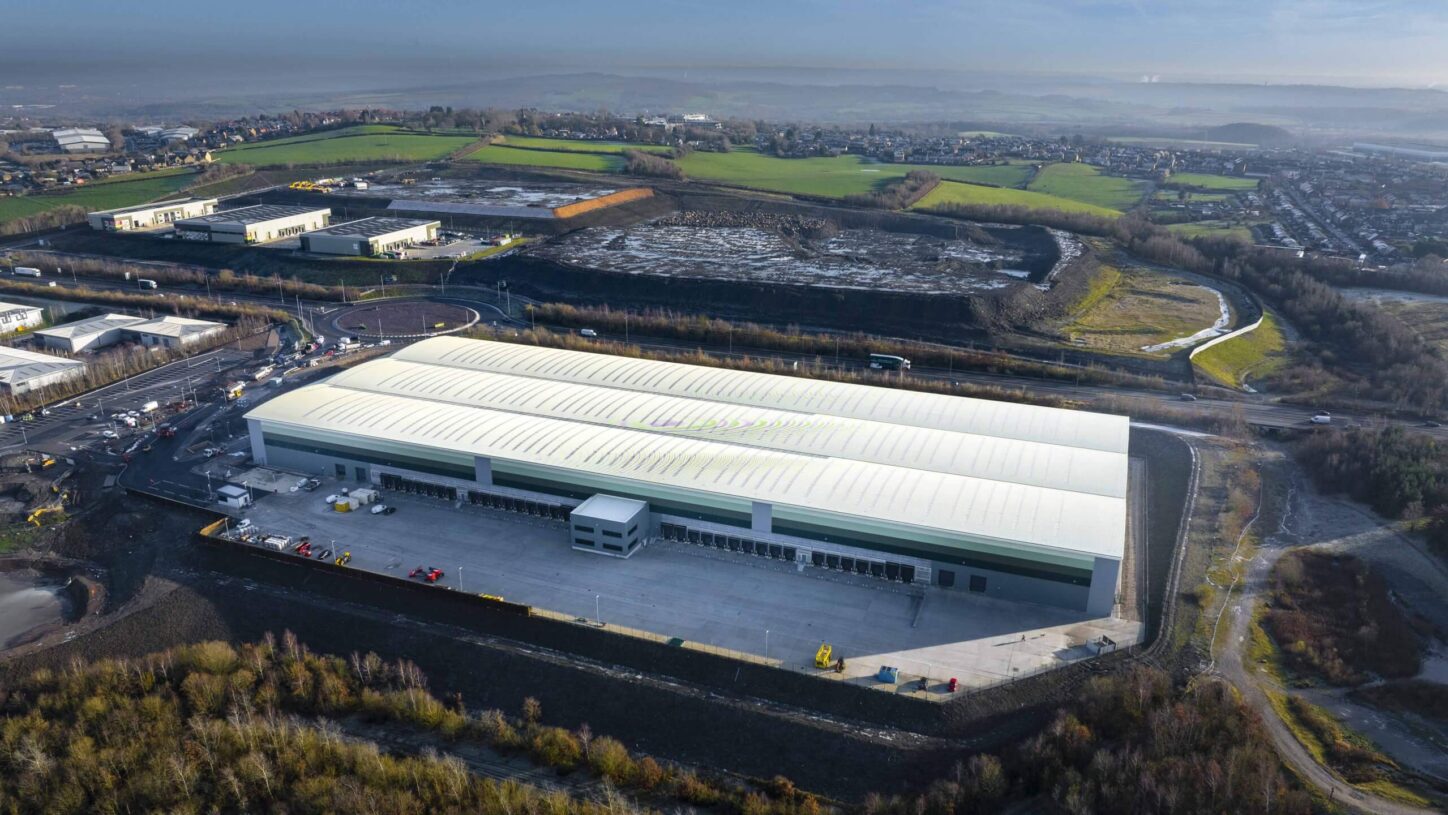
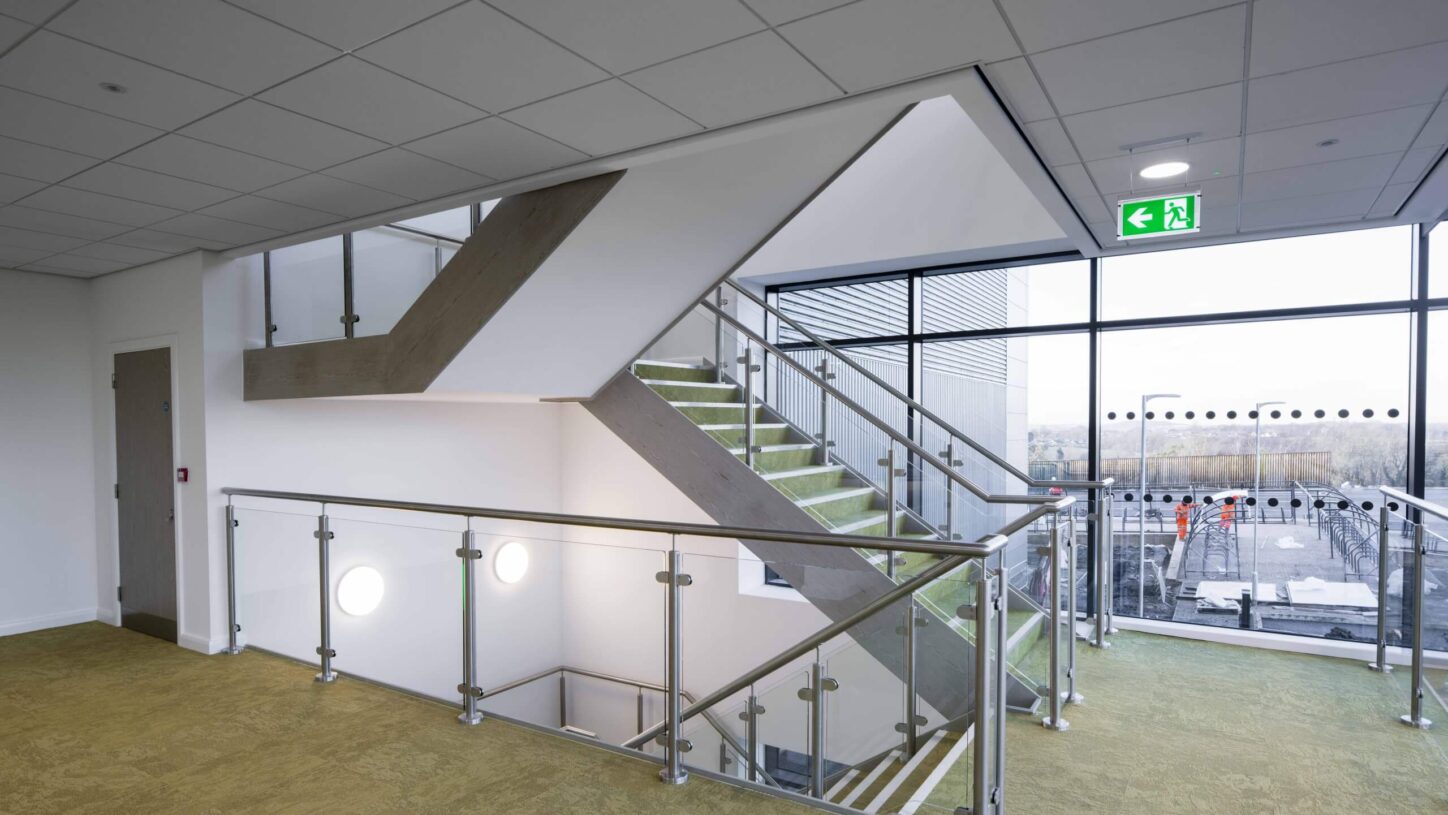
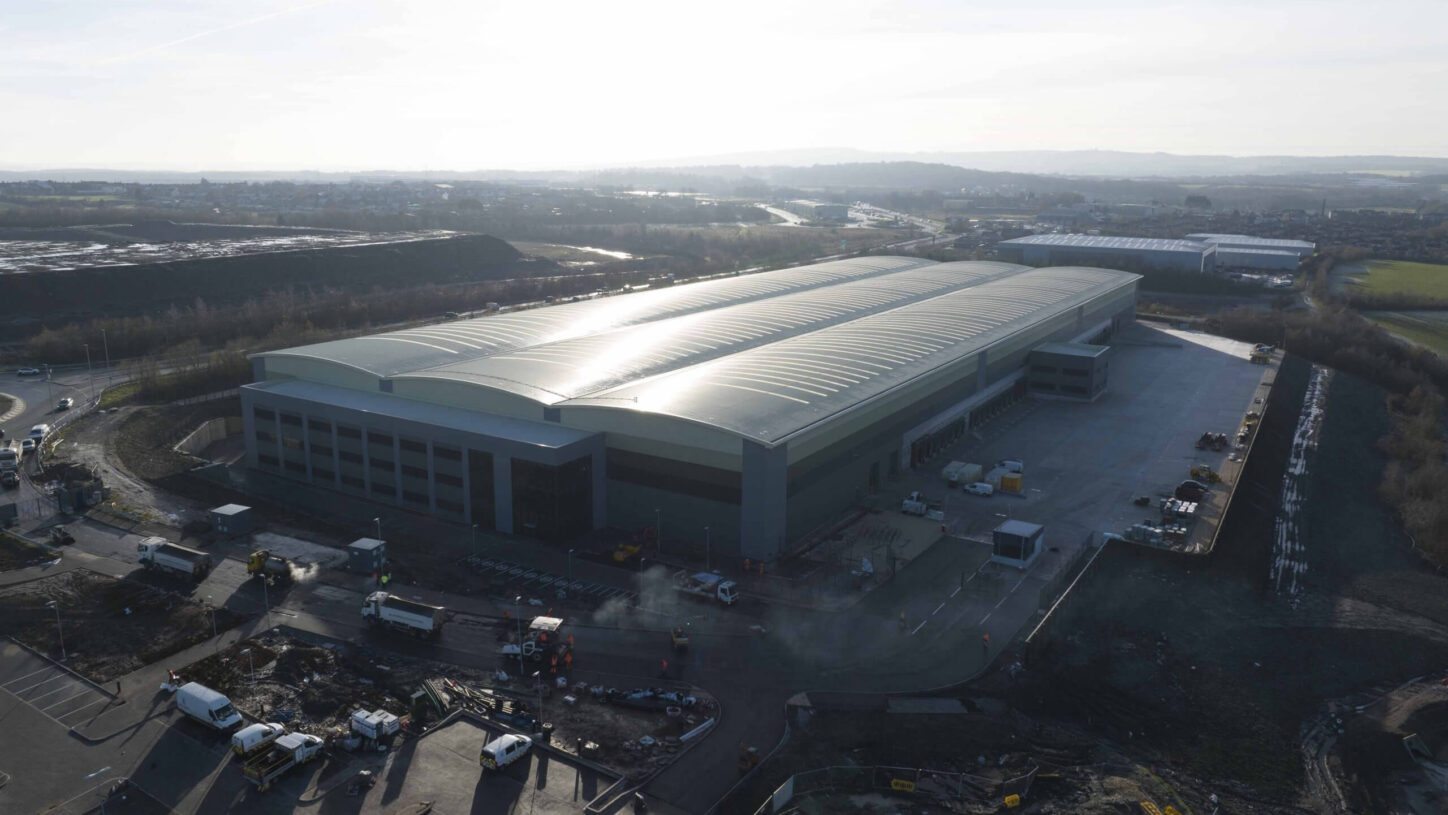
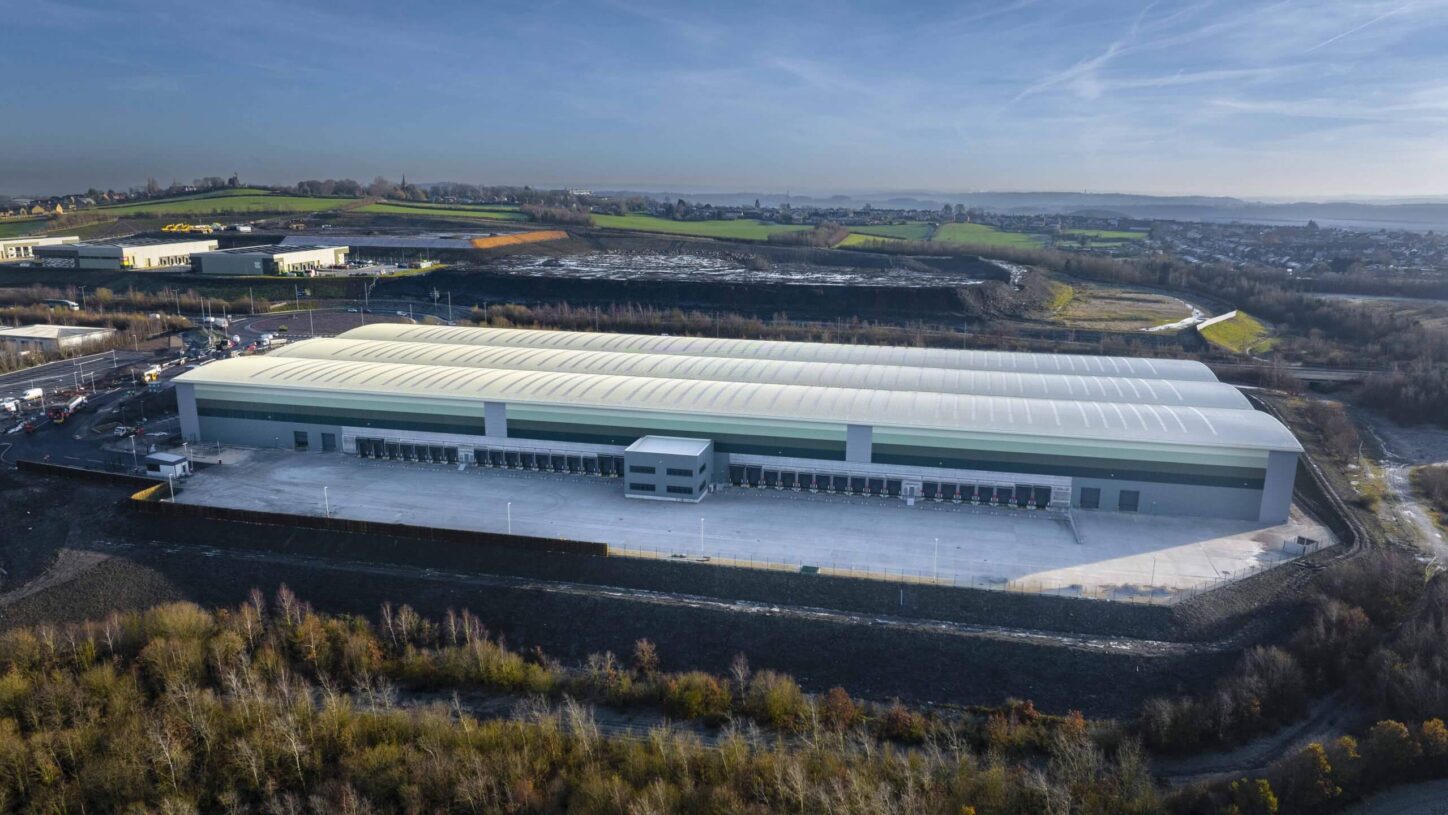
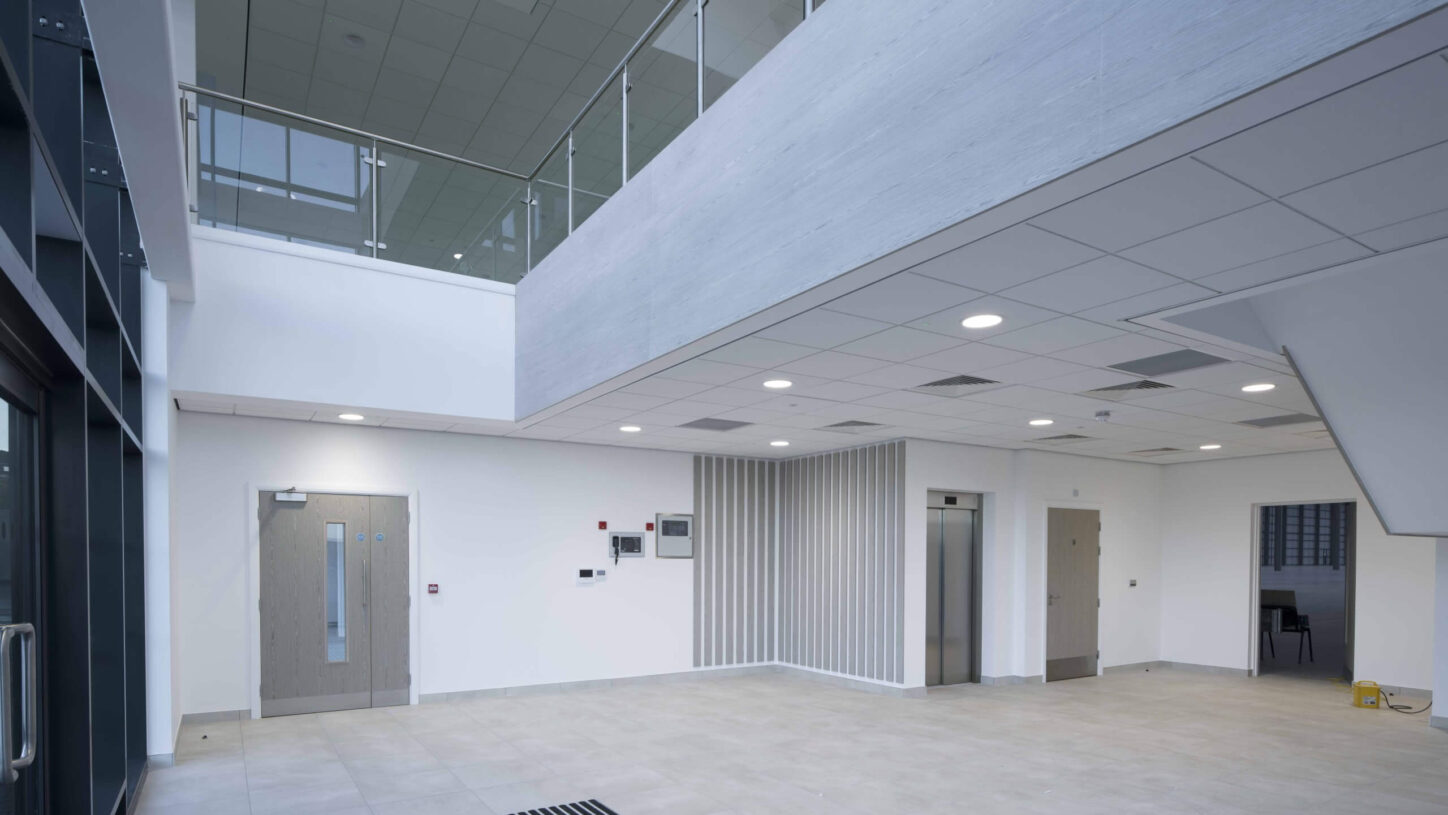
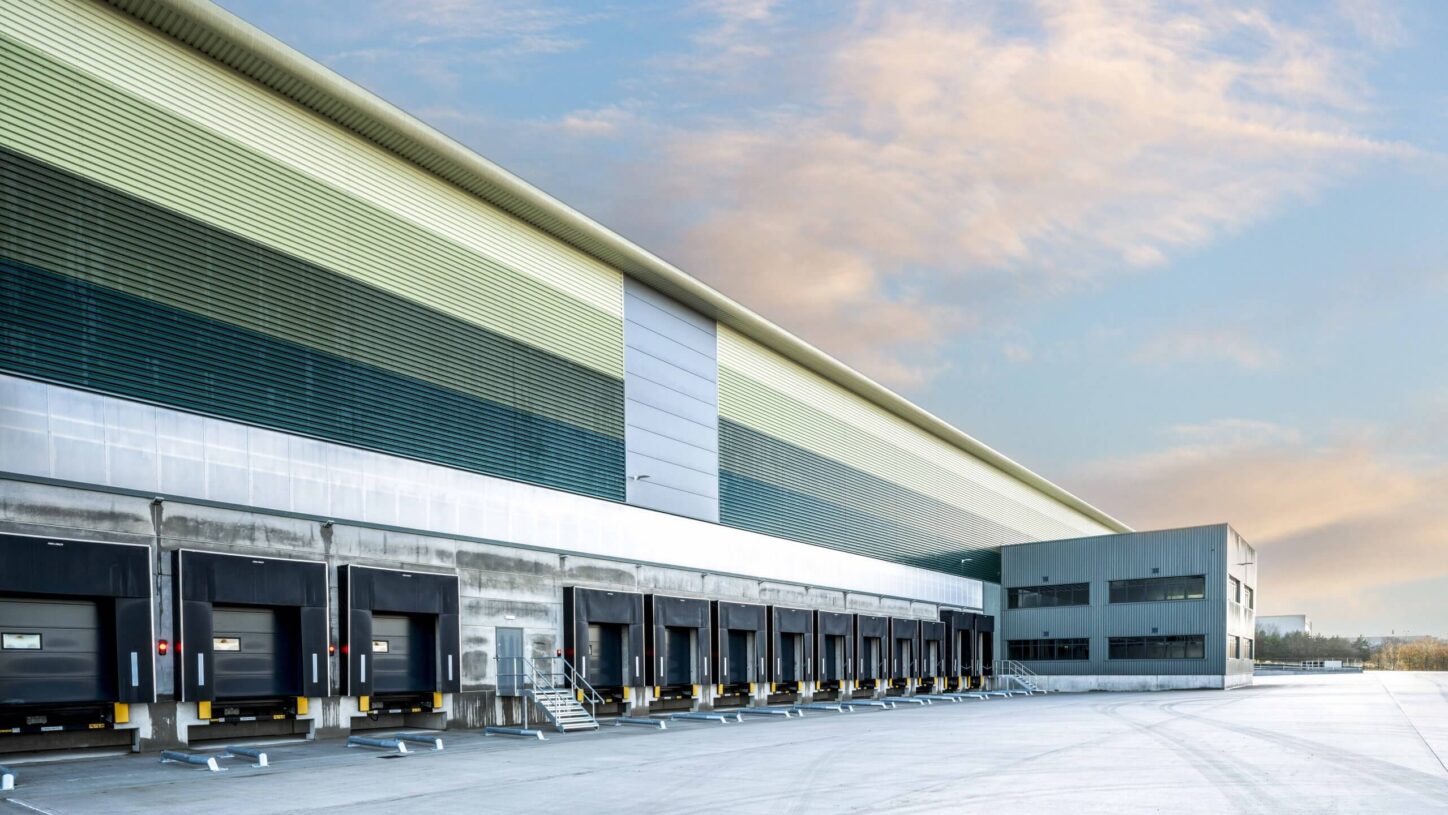
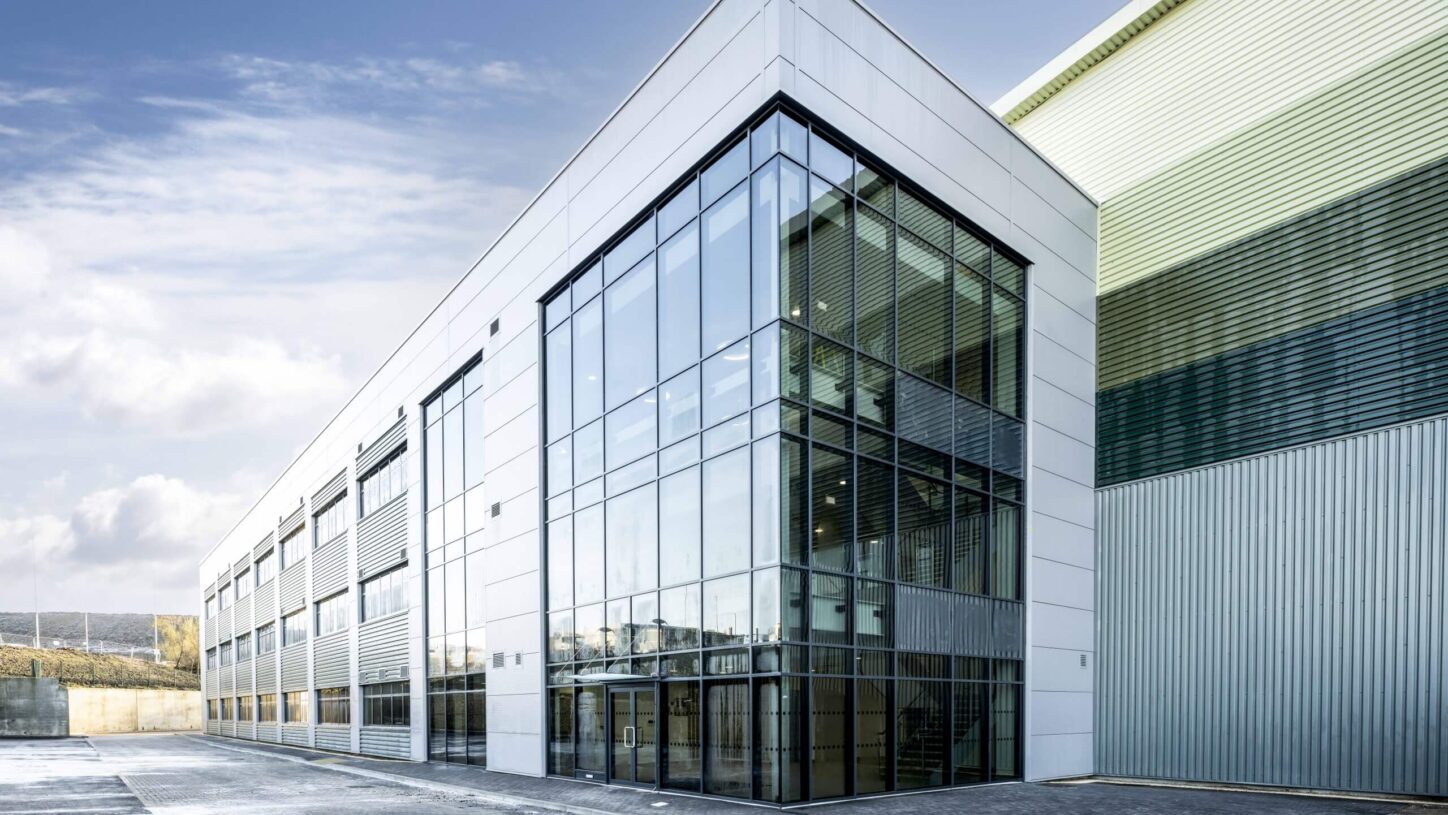
This state-of-the-art facility covering 340,000 sq ft, features cutting-edge design elements, including a modernised office facade and upgraded welfare amenities, ensuring optimal functionality and comfort for occupants.
Client
Firethorn
Programme
Complete
Size (sq.ft)
340,000
Upfront Carbon Target
550 kgCO₂e/m²
Achieved
321 kgCO₂e/m²
Reduction
Reduction: 42%
Offset Saving
£72,000
BREEAM Rating
Excellent
EPC
A
About This Project
Solution
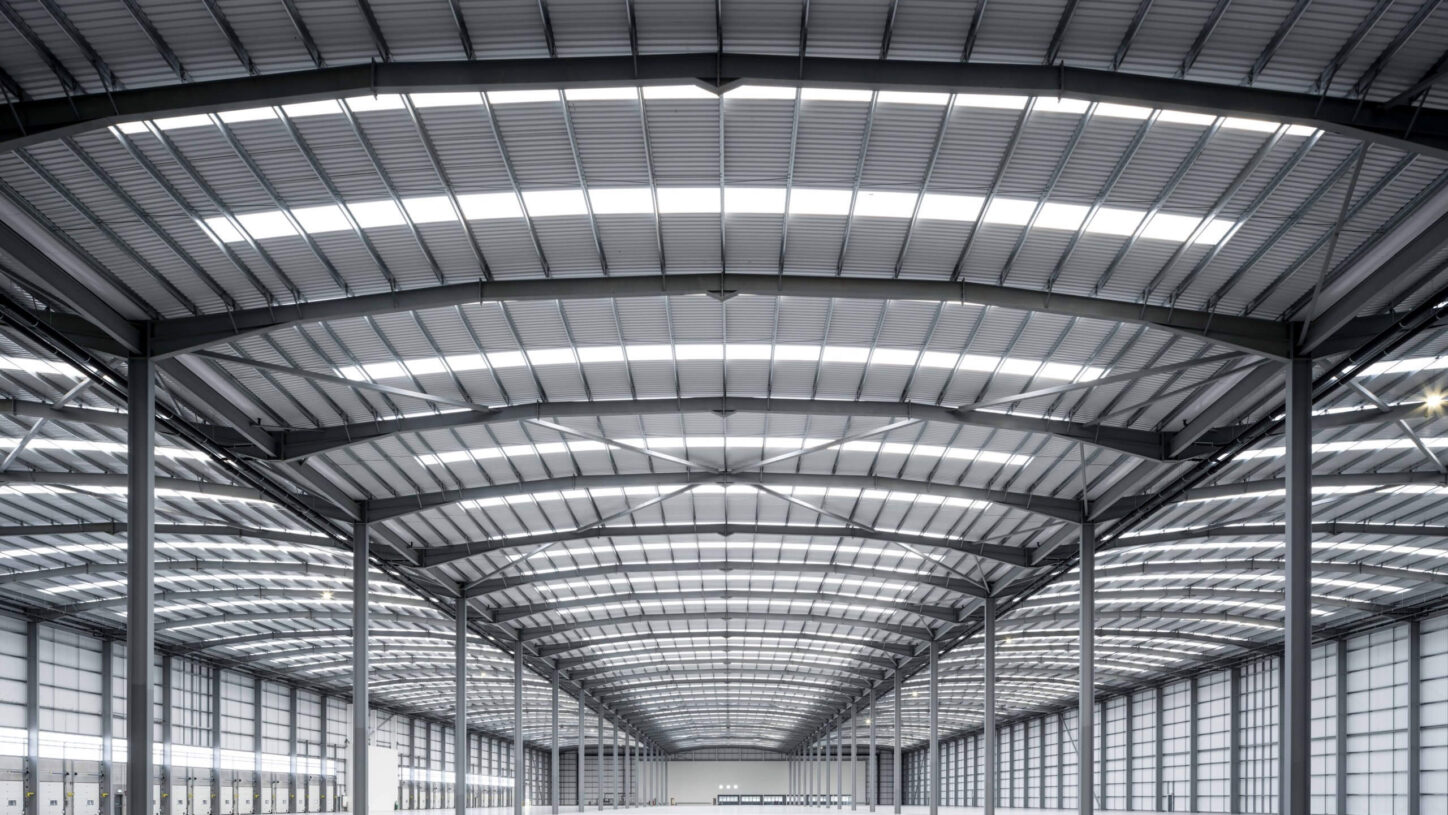
Positioned as a cornerstone of Yorkshire’s industrial landscape, Barnsley 340 stands at the heart of the Gateway 36 development - a renowned industrial hub strategically nestled in a highly sought-after location for logistics, distribution, and business ventures.
This state-of-the-art facility covering 340,000 sq ft, features cutting-edge design elements, including a modernised office facade and upgraded welfare amenities, ensuring optimal functionality and comfort for occupants.
Glencar was working to an ambitious upfront carbon target, so reducing carbon and meeting NZC was one of our main priorities. In order to meet BREEAM ‘Excellent’ rating, the project explored renewable design features and sustainability initiatives looking to enhance cost and energy-efficiency. To support an efficient engineered solution, we optimised the steel framing and slab thickness, maximised cement replacement (25% and 68% for slab and groundworks respectively), used low carbon cladding and recycled materials such as aggregates, resulting in 321 kgCO₂e/m² (from initial baseline of 353 kgCO₂e/m²).
Furthermore, to reduce operational energy and carbon, we’ve optimised the balance between insulation, ventilation and heating, reducing operational energy by 30% and installed PV, offsetting carbon emissions by 106 tCO₂e per year.
Upon completion, the client has purchased carbon offsets to certify the building as Net Zero Carbon in construction.
Background
Firethorn Trust are a real estate investor and developer who acquired a number of sites in Peterborough, Barnsley and Erith with goals of turning the sites into logistic space spanning separate units. The schemes were to be delivered to Net Zero Carbon (NZC) in construction and BREEAM certification. Firethorn’s ambition for NZC building meant that we had to prioritise upfront carbon reduction across key carbon intensive building elements. The projects had the added challenge of extremely poor ground conditions and fast delivery program. Furthermore, Glencar wanted to ensure that the flooring does not experience issues with flatness during building’s lifetime and reducing maintenance time and costs.
These three industrial and logistic schemes were developed to achieve significant reductions in whole life carbon, designed with reference to the UK Green Building Council (UKGBC) Framework Definition for Net Zero Carbon Buildings and in line with the UK Net Zero Carbon Buildings Standard, ensuring that our clients are able to support customers with achieving their own Net Zero goals.
By selecting low carbon materials and innovative designs, we’ve significantly reduced our carbon footprint while achieving substantial cost savings. These projects are the cornerstone of our green initiatives, demonstrating the outcomes we can achieve by constructing differently. We’re not just building a sustainable future; we’re building it differently.
Positioned as a cornerstone of Yorkshire’s industrial landscape, Barnsley 340 stands at the heart of the Gateway 36 development - a renowned industrial hub strategically nestled in a highly sought-after location for logistics, distribution, and business ventures.
This state-of-the-art facility covering 340,000 sq ft, features cutting-edge design elements, including a modernised office facade and upgraded welfare amenities, ensuring optimal functionality and comfort for occupants.
Glencar was working to an ambitious upfront carbon target, so reducing carbon and meeting NZC was one of our main priorities. In order to meet BREEAM ‘Excellent’ rating, the project explored renewable design features and sustainability initiatives looking to enhance cost and energy-efficiency. To support an efficient engineered solution, we optimised the steel framing and slab thickness, maximised cement replacement (25% and 68% for slab and groundworks respectively), used low carbon cladding and recycled materials such as aggregates, resulting in 321 kgCO₂e/m² (from initial baseline of 353 kgCO₂e/m²).
Furthermore, to reduce operational energy and carbon, we’ve optimised the balance between insulation, ventilation and heating, reducing operational energy by 30% and installed PV, offsetting carbon emissions by 106 tCO₂e per year.
Upon completion, the client has purchased carbon offsets to certify the building as Net Zero Carbon in construction.
Background
Firethorn Trust are a real estate investor and developer who acquired a number of sites in Peterborough, Barnsley and Erith with goals of turning the sites into logistic space spanning separate units. The schemes were to be delivered to Net Zero Carbon (NZC) in construction and BREEAM certification. Firethorn’s ambition for NZC building meant that we had to prioritise upfront carbon reduction across key carbon intensive building elements. The projects had the added challenge of extremely poor ground conditions and fast delivery program. Furthermore, Glencar wanted to ensure that the flooring does not experience issues with flatness during building’s lifetime and reducing maintenance time and costs.
These three industrial and logistic schemes were developed to achieve significant reductions in whole life carbon, designed with reference to the UK Green Building Council (UKGBC) Framework Definition for Net Zero Carbon Buildings and in line with the UK Net Zero Carbon Buildings Standard, ensuring that our clients are able to support customers with achieving their own Net Zero goals.
By selecting low carbon materials and innovative designs, we’ve significantly reduced our carbon footprint while achieving substantial cost savings. These projects are the cornerstone of our green initiatives, demonstrating the outcomes we can achieve by constructing differently. We’re not just building a sustainable future; we’re building it differently.


Related Posts


Newport
View Details
Indurent Park, Newport

Live
Commercial Offices

Maidenhead
View Details
Trehus, Maidenhead

London
View Details
Ealing Studios