Peterborough Kingston Park South, Peterborough
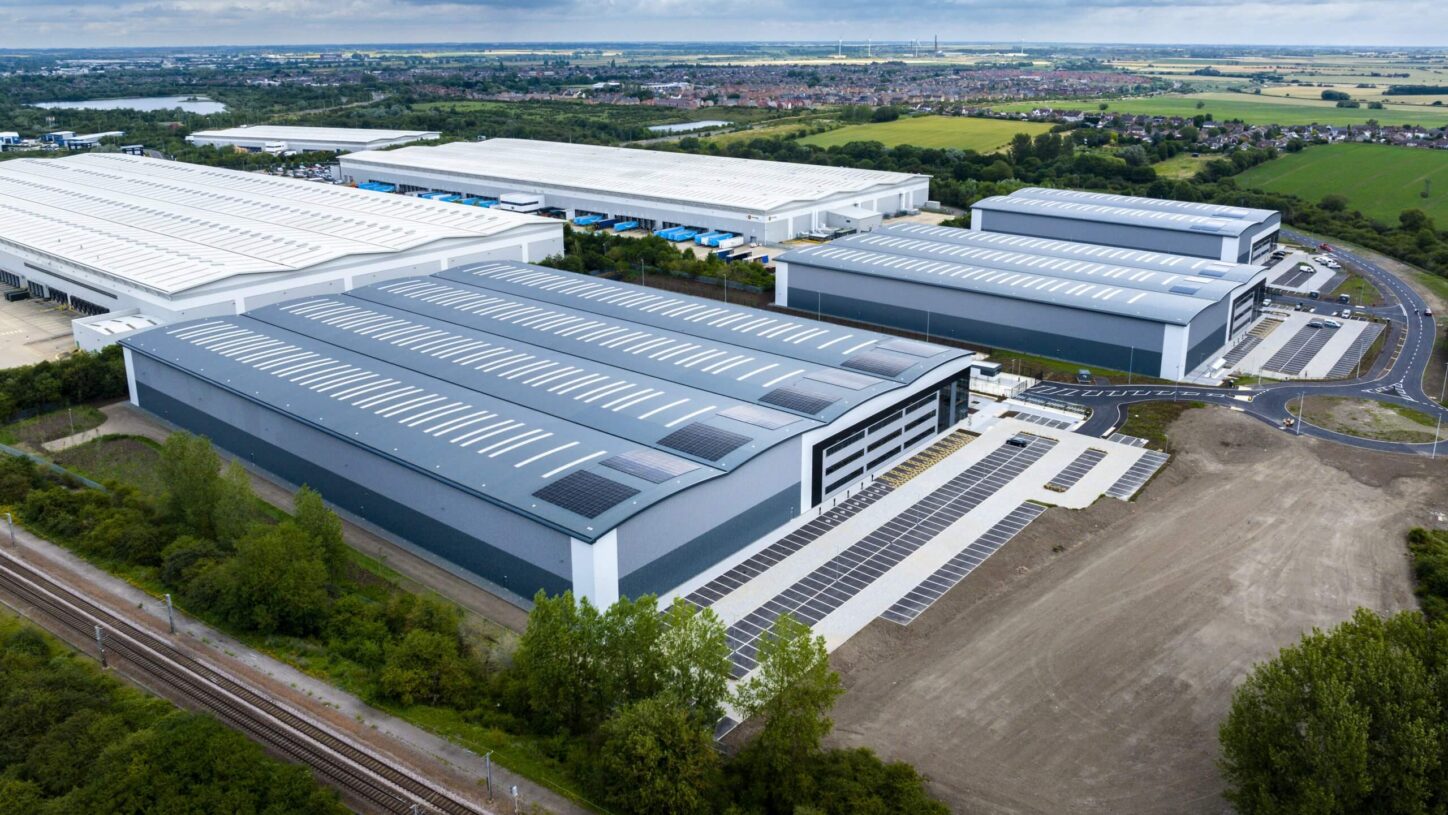
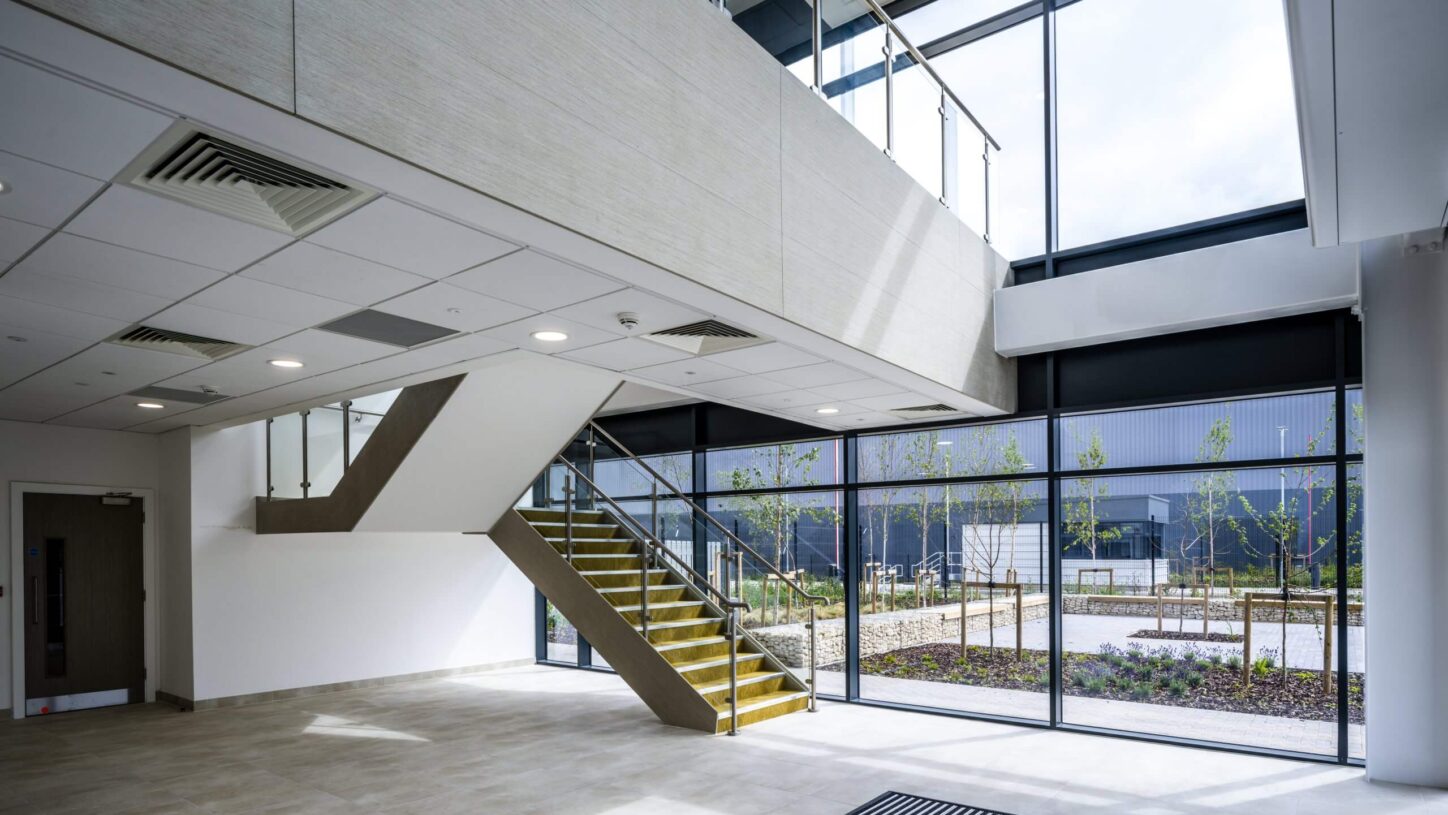
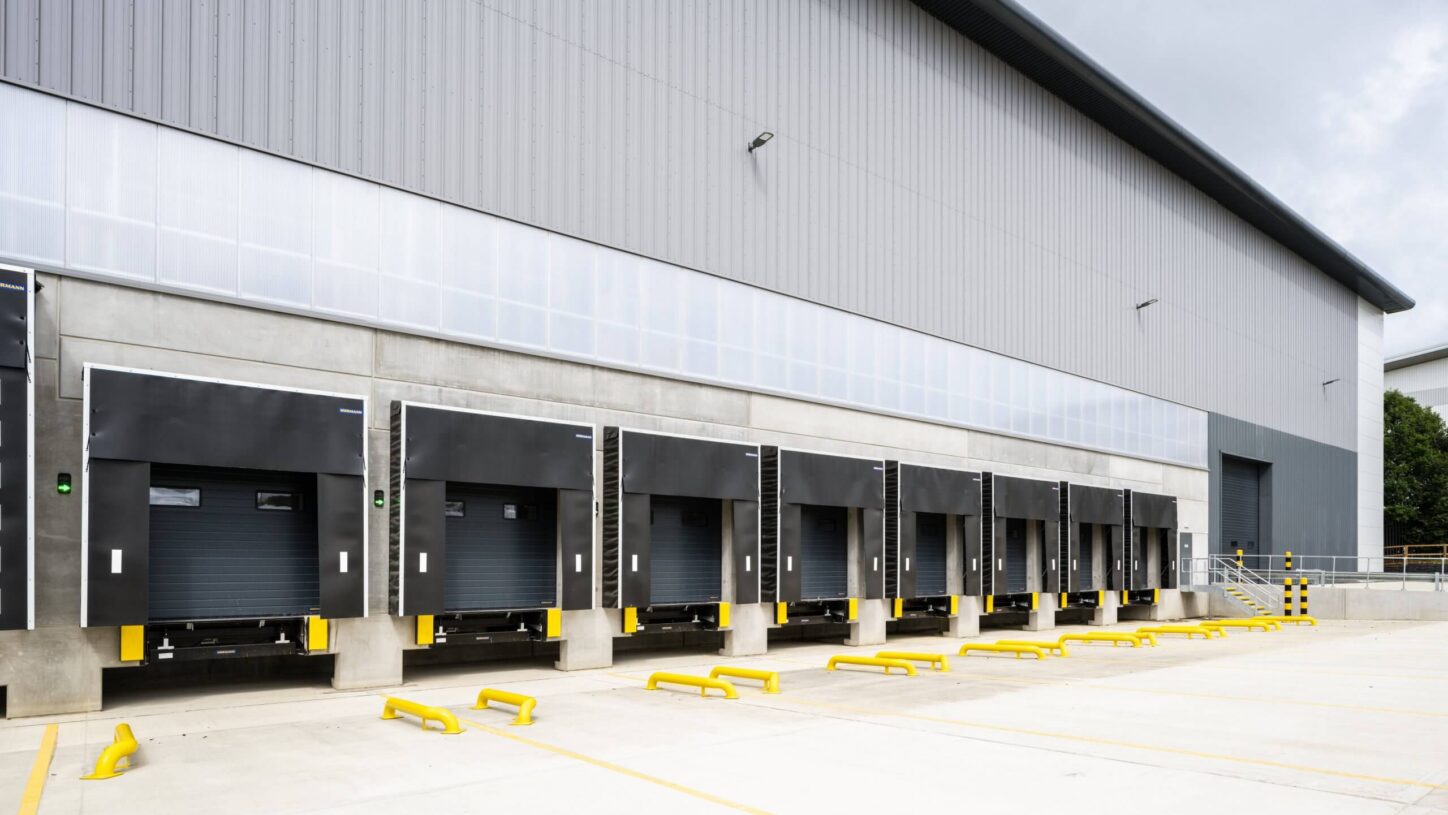
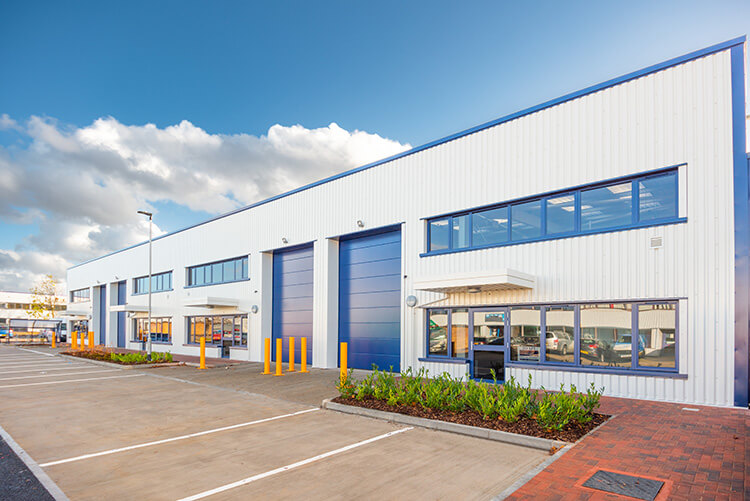
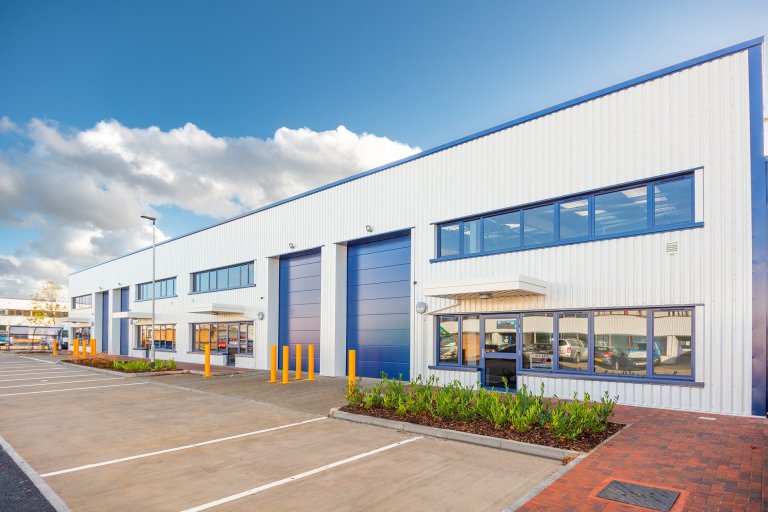
Glencar worked with Firethorn to develop and build three industrial units covering a total area of 474,000 sq ft.
Client
Firethorn
Programme
Complete
Size (sq.ft)
474,000
Upfront Carbon Target
550 kgCO₂e/m²
Achieved
312 kgCO₂e/m²
Reduction
Reduction: 43%
Offset Saving
£105,300
BREEAM Rating
Excellent
EPC
A

About This Project
Solution
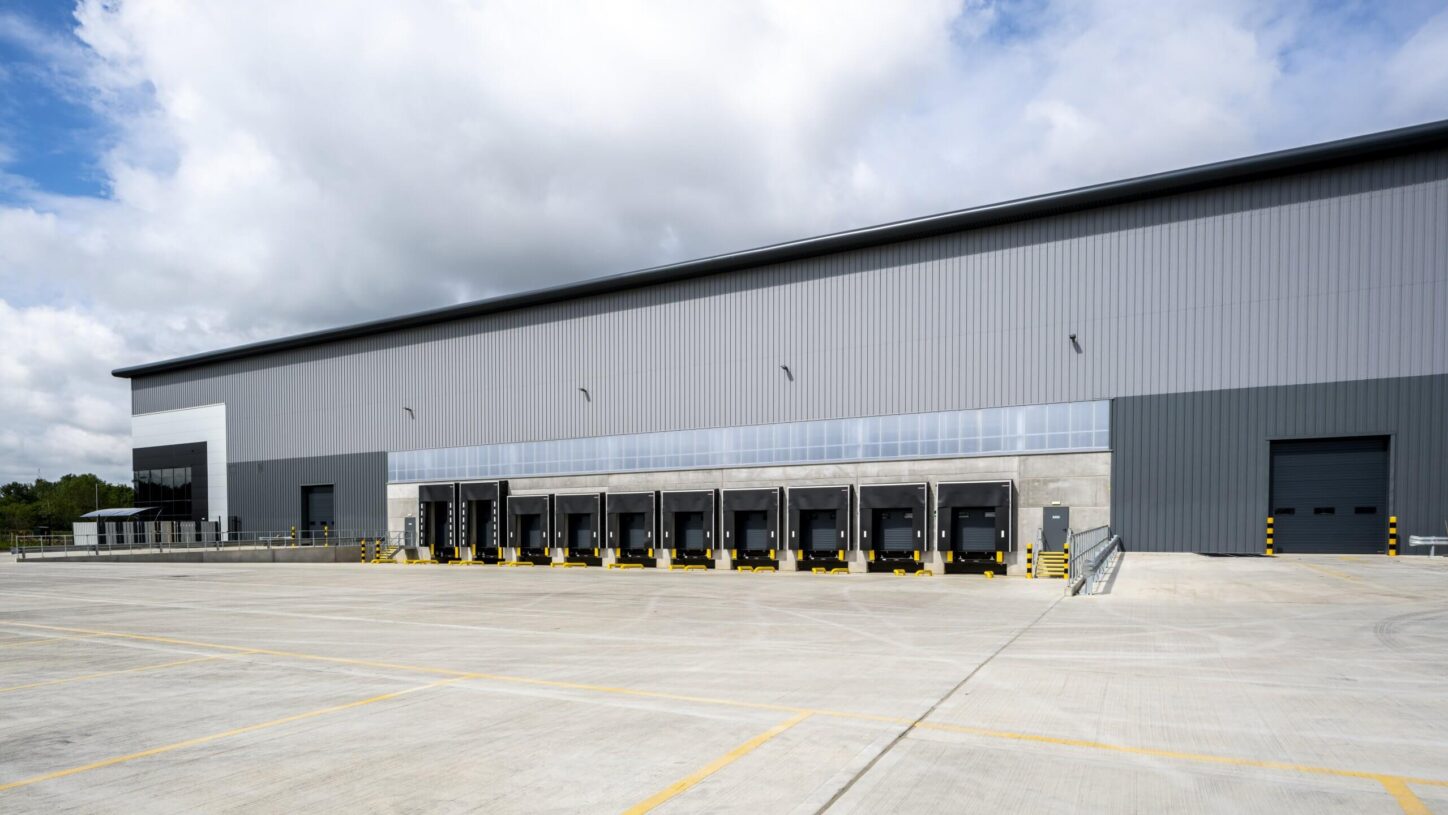
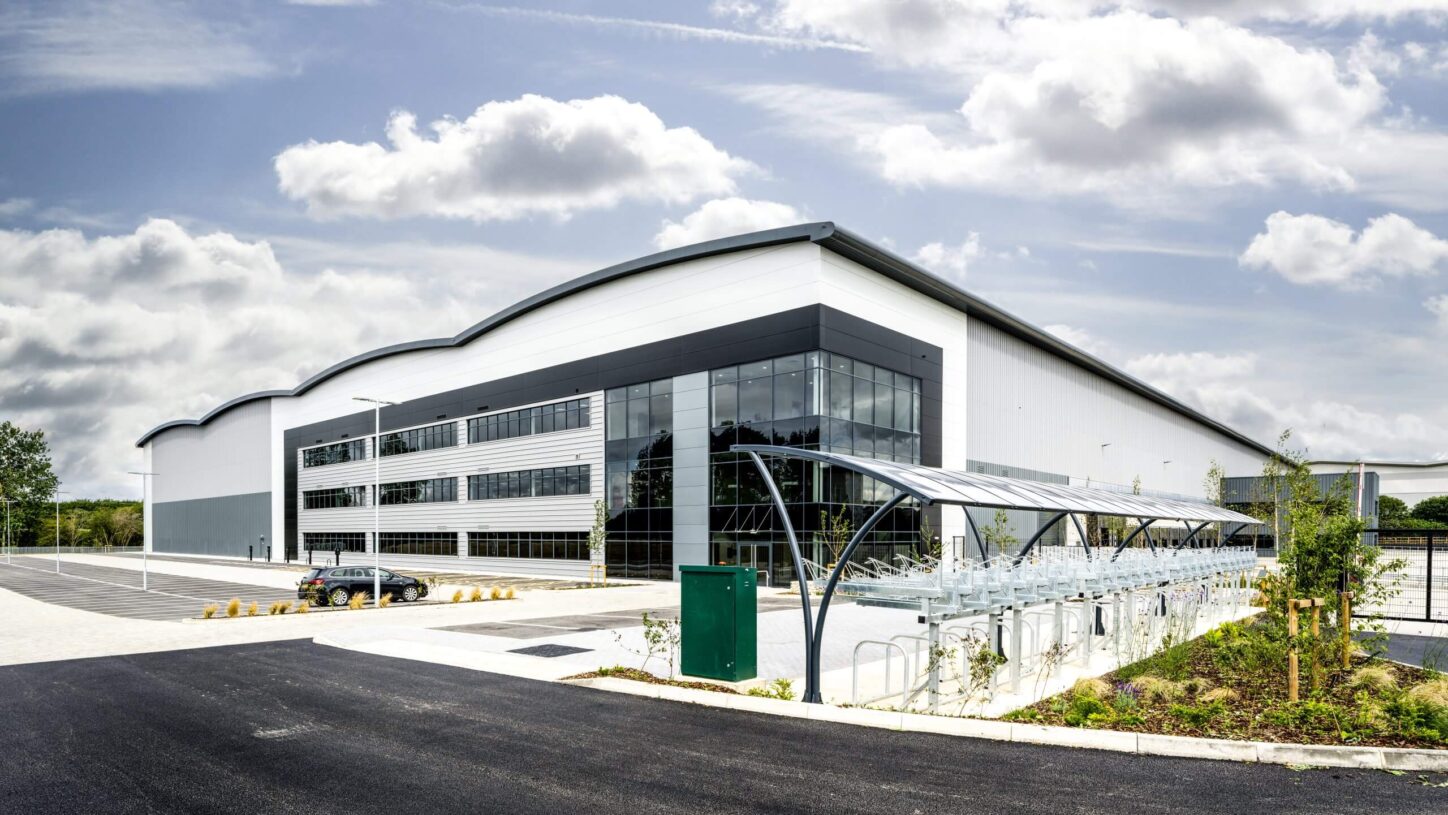
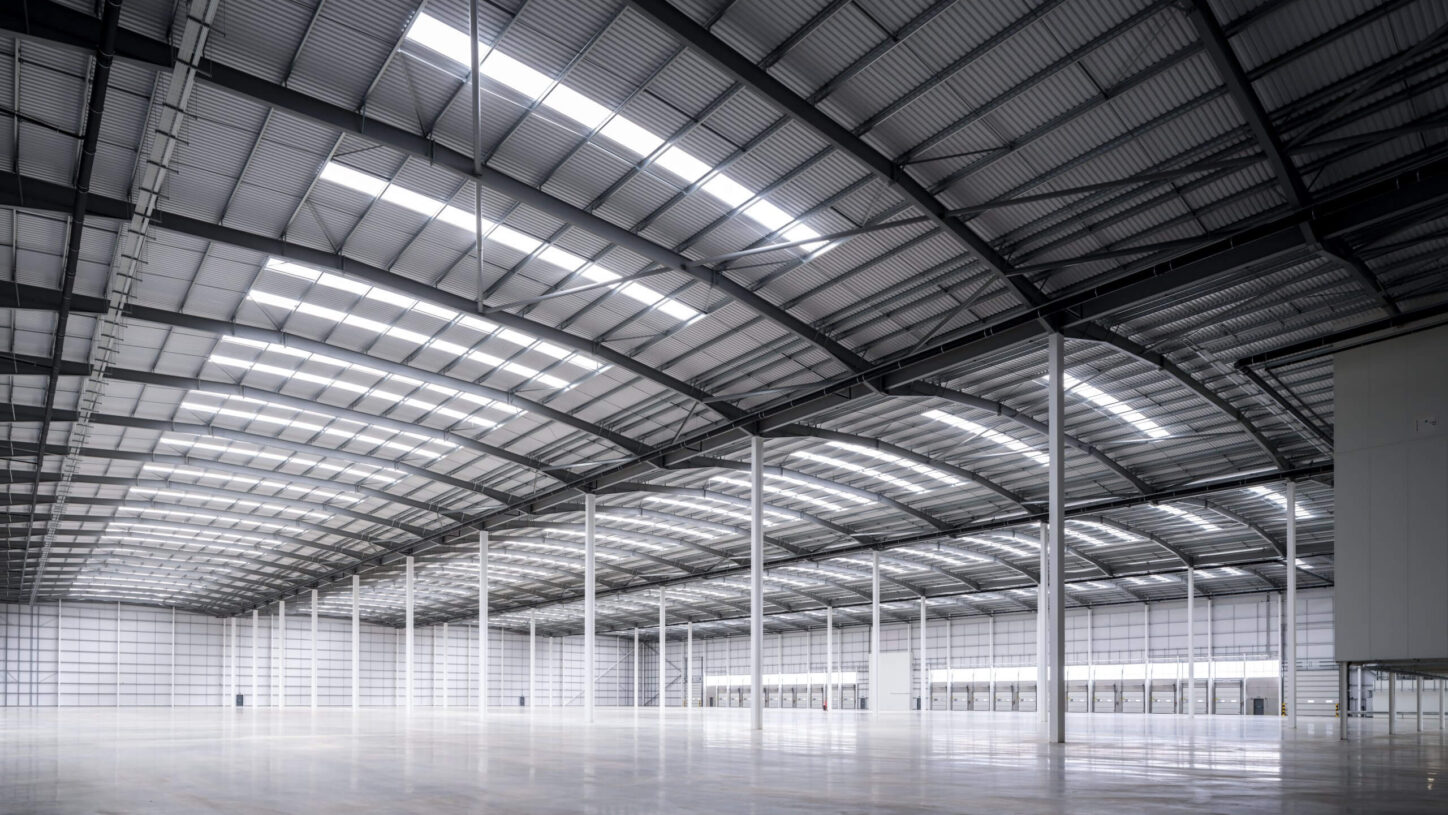
Glencar worked with Firethorn to develop and build three industrial units covering a total area of 474,000 sq ft. As well as a modern warehouse, the project featured a 40,000 sq ft of PV and 48 Electric Vehicle charging points.
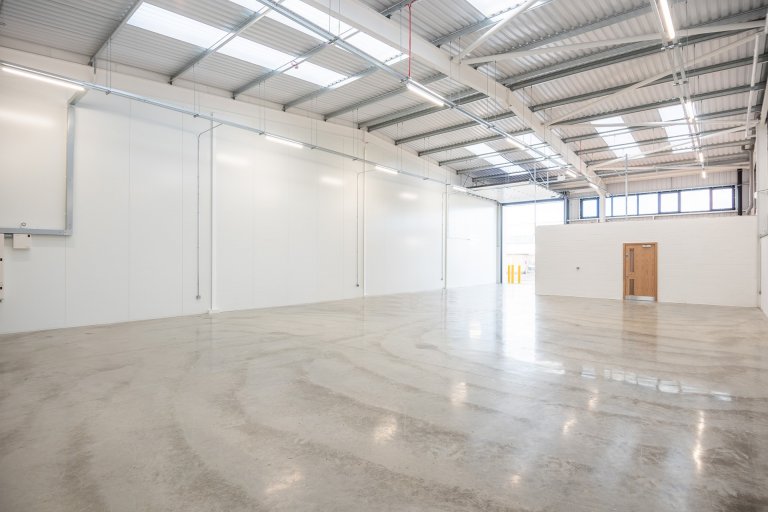
Glencar had the major challenge of reducing upfront carbon to align with their ambitious target. This made a fibre-reinforced slab solution the right choice for the project, covering an area of 440,200 sq ft on piles at 3.25 x 3.25m. As fibre-reinforced slab does not use steel bar reinforcement, we achieved a reduction in upfront carbon of 55 kgCO₂e/m² compared to a traditional slab solution. Our additional low carbon initiatives included recycled steel frame (up to 100% for some elements), maximising cement replacement where feasible, low carbon cladding and recycled materials such as aggregates, resulting in 312 kgCO₂e/m² (from initial baseline of 462 kgCO₂e/m²).
Along with carbon savings, we were able to save weeks in construction time, and we could cast bigger bays per day, achieving a saving of 4 weeks in casting time when compared to the tender design. Upon completion, the client has purchased carbon offsets to certify the building as Net Zero Carbon in construction.
Further benefits of fibre-reinforced slab included:
➢ high load bearing capacity
➢ no joints within daily casting area
➢ high flatness - that stays flat
➢ great abrasion resistance (AR1 to be achieved)
➢ reduced number of casting days
Background
Firethorn Trust are a real estate investor and developer who acquired a number of sites in Peterborough, Barnsley and Erith with goals of turning the sites into logistic space spanning separate units. The schemes were to be delivered to Net Zero Carbon (NZC) in construction and BREEAM certification. Firethorn’s ambition for NZC building meant that we had to prioritise upfront carbon reduction across key carbon intensive building elements. The projects had the added challenge of extremely poor ground conditions and fast delivery program. Furthermore, Glencar wanted to ensure that the flooring does not experience issues with flatness during building’s lifetime and reducing maintenance time and costs.
These three industrial and logistic schemes were developed to achieve significant reductions in whole life carbon, designed with reference to the UK Green Building Council (UKGBC) Framework Definition for Net Zero Carbon Buildings and in line with the UK Net Zero Carbon Buildings Standard, ensuring that our clients are able to support customers with achieving their own Net Zero goals.
By selecting low carbon materials and innovative designs, we’ve significantly reduced our carbon footprint while achieving substantial cost savings. These projects are the cornerstone of our green initiatives, demonstrating the outcomes we can achieve by constructing differently. We’re not just building a sustainable future; we’re building it differently.
Glencar worked with Firethorn to develop and build three industrial units covering a total area of 474,000 sq ft. As well as a modern warehouse, the project featured a 40,000 sq ft of PV and 48 Electric Vehicle charging points.
Glencar had the major challenge of reducing upfront carbon to align with their ambitious target. This made a fibre-reinforced slab solution the right choice for the project, covering an area of 440,200 sq ft on piles at 3.25 x 3.25m. As fibre-reinforced slab does not use steel bar reinforcement, we achieved a reduction in upfront carbon of 55 kgCO₂e/m² compared to a traditional slab solution. Our additional low carbon initiatives included recycled steel frame (up to 100% for some elements), maximising cement replacement where feasible, low carbon cladding and recycled materials such as aggregates, resulting in 312 kgCO₂e/m² (from initial baseline of 462 kgCO₂e/m²).
Along with carbon savings, we were able to save weeks in construction time, and we could cast bigger bays per day, achieving a saving of 4 weeks in casting time when compared to the tender design. Upon completion, the client has purchased carbon offsets to certify the building as Net Zero Carbon in construction.
Further benefits of fibre-reinforced slab included:
➢ high load bearing capacity
➢ no joints within daily casting area
➢ high flatness - that stays flat
➢ great abrasion resistance (AR1 to be achieved)
➢ reduced number of casting days
Background
Firethorn Trust are a real estate investor and developer who acquired a number of sites in Peterborough, Barnsley and Erith with goals of turning the sites into logistic space spanning separate units. The schemes were to be delivered to Net Zero Carbon (NZC) in construction and BREEAM certification. Firethorn’s ambition for NZC building meant that we had to prioritise upfront carbon reduction across key carbon intensive building elements. The projects had the added challenge of extremely poor ground conditions and fast delivery program. Furthermore, Glencar wanted to ensure that the flooring does not experience issues with flatness during building’s lifetime and reducing maintenance time and costs.
These three industrial and logistic schemes were developed to achieve significant reductions in whole life carbon, designed with reference to the UK Green Building Council (UKGBC) Framework Definition for Net Zero Carbon Buildings and in line with the UK Net Zero Carbon Buildings Standard, ensuring that our clients are able to support customers with achieving their own Net Zero goals.
By selecting low carbon materials and innovative designs, we’ve significantly reduced our carbon footprint while achieving substantial cost savings. These projects are the cornerstone of our green initiatives, demonstrating the outcomes we can achieve by constructing differently. We’re not just building a sustainable future; we’re building it differently.





Related Posts
Completed
Industrial & Logistics
Peterborough
View Details
Axis Park


Newport
View Details
Indurent Park, Newport

Live
Commercial Offices

Maidenhead
View Details
Trehus, Maidenhead